Discovering Korea's Spring Greens: A Fresh Taste of the Season
As winter fades and the chill in the air gives way to gentle sunshine, Korea’s landscapes awaken with vibrant life—and so do its markets and dining tables. Spring in Korea isn’t just a season; it’s a celebration of renewal, especially through food. One of the most cherished culinary traditions of this time is enjoying 봄나물 (bomnamul), or Korean spring greens.
These wild mountain vegetables and herbs are more than just side dishes—they’re packed with history, health benefits, and the fresh, earthy flavors that signal spring’s arrival.
What Are 봄나물 (Bomnamul)?
Bomnamul refers to a variety of edible wild greens that sprout naturally in Korea’s mountains and fields as early as March. Traditionally foraged by hand, these greens are rich in nutrients and carry a slightly bitter or herbal flavor profile that Koreans associate with cleansing and vitality.
Popular Types of Korean Spring Greens
- Chwinamul (취나물) – Mildly bitter with a nutty aroma, often stir-fried or steamed.
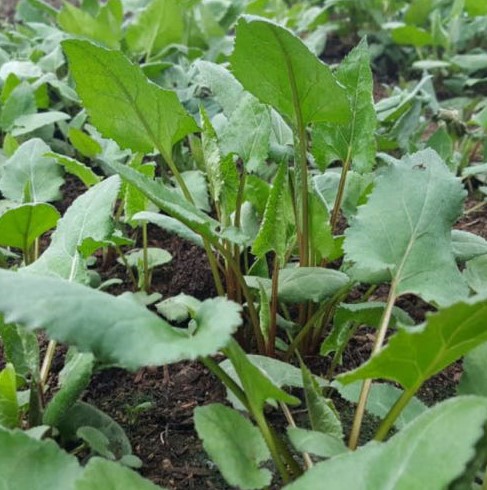
- Dallae (달래) – Wild spring scallions with a pungent kick, used in soy sauce dressings or doenjang soup.

- Naengi (냉이) – Shepherd’s purse, known for its strong, peppery aroma and detoxifying properties.

- Minari (미나리) – Korean water parsley, popular in hot pot and stir-fries.

- Gomchwi (곰취) – Broad leaves with a slightly bitter taste, often used as wraps (ssam) for meat.
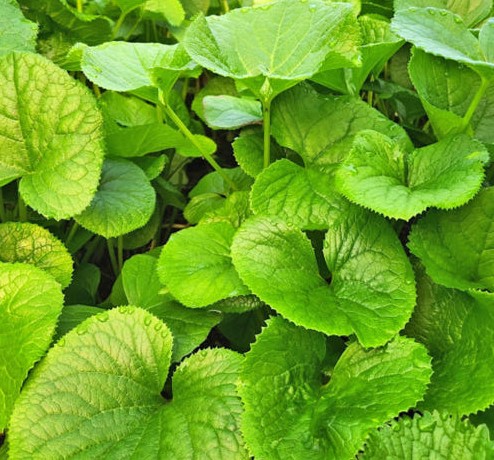
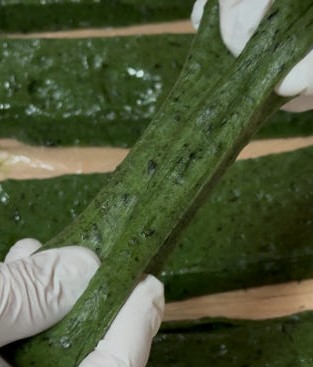
- Ssuk (쑥) – Mugwort, a fragrant herb used in rice cakes (tteok), soups, and teas.

Health Benefits
In traditional Korean medicine, bomnamul is considered a seasonal superfood. It’s believed to:
- Help detoxify the body after the heavy foods of winter
- Aid digestion and boost metabolism
- Provide essential vitamins, fiber, and minerals
Most spring greens are low in calories and high in antioxidants, making them a perfect fit for health-conscious eaters.
How to Enjoy Spring Greens Like a Local
- Namul Banchan (나물 반찬) – Lightly seasoned side dishes made with sesame oil, garlic, and soy sauce.
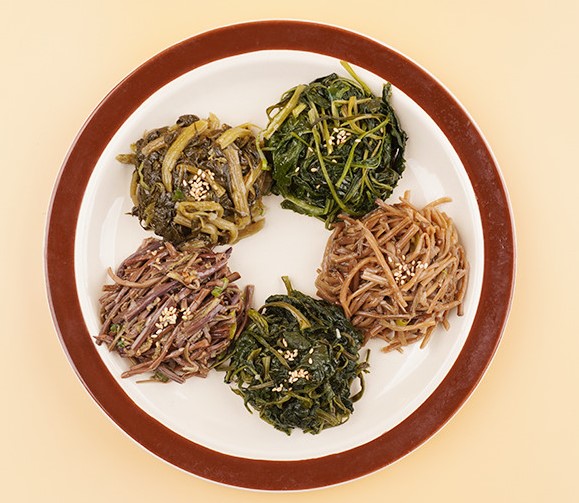
- Bomnamul Bibimbap (봄나물 비빔밥) – A seasonal twist on the classic mixed rice dish using assorted spring greens.
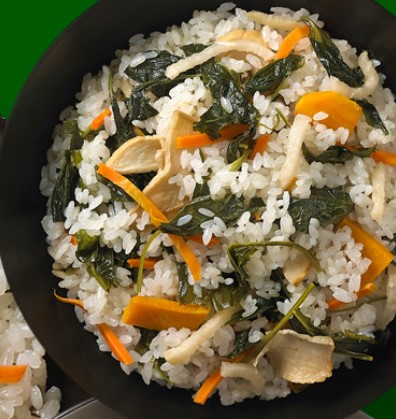
- Naengi Doenjang Guk (냉이 된장국) – A miso-based soup with shepherd’s purse, perfect for warming up on cool spring days.

- Ssuk Tteok (쑥떡) – Chewy rice cakes infused with mugwort’s earthy fragrance, often enjoyed as a seasonal dessert.
Where to Find Spring Greens in Korea
- Traditional Markets – Local markets like Gwangjang Market (Seoul) or Seomun Market (Daegu) are brimming with fresh bomnamul in spring.
- Korean Restaurants – Many local restaurants offer seasonal set menus featuring spring greens.
- Temple Food Spots – Buddhist temple cuisine (사찰음식) often emphasizes seasonal vegetables, including bomnamul.
Final Thoughts
Tasting bomnamul in Korea isn’t just about trying new vegetables—it’s about experiencing the country’s deep connection to the land and its seasons. Whether you’re a foodie, a wellness traveler, or just curious, sampling these spring greens is one of the most authentic—and delicious—ways to savor Korean spring.
Have you ever tried Korean spring greens? Share your experience or questions in the comments below!
'Korean Food Insight > Korean Food Culture' 카테고리의 다른 글
| Korean “Hoesik” Culture and Drinking Etiquette (2) | 2025.05.18 |
|---|---|
| Free Side Dishes (Banchan) Refills and Self-Serve Water (0) | 2025.05.17 |
| How to Eat Like a Local in Korea: Korean Dining Etiquette Explained (2) | 2025.05.16 |
| The Secret Behind Korean Flavors: Exploring Traditional Korean Seasonings (Yangnyeom) (0) | 2025.05.14 |
| Staple Foods in Korean Cuisine (0) | 2025.05.09 |


